SEA OVERVIEW
The Student Equity and Achievement Program was established at El Camino College as a result of EDC 78222 with the directive of “advancing the systemwide goal to boost achievement for all students with an emphasis on eliminating achievement gaps for students from traditionally underrepresented groups.” To accomplish this goal, EDC 78222 directs the Student Equity and Achievement Program to focus on the following three objectives:
- Implementing activities and practices pursuant to the California Community College Guided Pathways Grant Program.
- Ensuring students complete their educational goals and a defined course of study.
- Providing quality curriculum, instruction, and support services to students who enter college deficient in English and mathematics to ensure these students complete a course of study in a timely manner.
El Camino College’s Student Equity and Achievement Program, to implement the directives of EDC 78222, has focused its equity efforts in three directions:
- Creating pedagogical partnerships between academic divisions and student services that focus on reducing equity gaps with the classroom serving as the center of this effort. These partnerships bridge equity and the principles of Guided Pathways and takes them from the institutional level into the classroom level.
- Creating a safe campus environment through multicultural centers that support identity-based affinity groups. These centers increase a sense of belonging for students, provide a safe space, and provide an academic and student services support system and infrastructure for engagement opportunities for historically marginalized students.
- Supporting programs and initiatives that have historically focused on equity at El Camino College.
SEA EQUITY INITIATIVES AND PROGRAMS
myPATH – Pedagogical Partnerships
Pedagogical partnerships is a conceptual framework that addresses historical inequities through partnerships established between faculty, staff, and students in the following areas:
- Learning and teaching.
- Research and inquiry.
- Curriculum design.
At the core of this effort is myPATH. This model integrates equity with Guided Pathways principles and the Vision 2030 Goals, Metrics and Outcomes. myPATH facilitates pedagogical partnerships that bring together in the classroom counseling faculty, teaching faculty, library faculty, and PASS Mentors to collaborate in ensuring equitable educational outcomes. In essence, myPATH is Guided Pathways transferred from an institutional level into the classroom.
To ensure that faculty are effectively prepared to engage in this model, the myPATH Equity Institute was launched. It is a scaffold approach that introduces to myPATH faculty principles of equity so that they can begin addressing patterns of inequities with intentionality in the classroom. Faculty are taught how to create an equity lens and how to equitize curriculum. In addition, participating faculty are introduced to practices associated with pedagogical partnerships and how to bridge the principles of Guided Pathways with the classroom through these partnerships.
In addition, the myPATH teaching faculty leadership and participating faculty have contributed to the growth of equity centered curriculum at El Camino College. For example, the Associate Degree for Transfer in Social Justice was generated in collaboration with Behavioral and Social Sciences. Social Sciences 101: Introduction to the Social Sciences, was created as an onboarding course that introduces students to the fields of study that comprise the social sciences. They are introduced to the basic theories and methods of social science disciplines through the theme of social justice. Along with this course, Social Science 103: Introduction to Social Justice, was also created. This course introduces students to social justice theories and the historical and contemporary responses to inequality and injustice. Currently being reviewed are two courses created for non-credit. Social Science 104: Student Equity and the California Community College-Foundations and Social Science 105: Student Equity and the California Community College – Application. The first course introduces students to the relationship between student equity and educational practices in the California Community College system. The second course introduces students to frameworks that can help build and equity lens to be able to identify and address patterns of inequities in the community college classroom. These efforts have been accomplished with the support of Dr. Cristina Gold, Dean of Behavioral and Social Sciences, and because of her commitment to student equity at El Camino College. Finally, under the direction of SEA faculty, Learning Communities have been created and offered over the years. For example, Myth and Measurement: Race and Statistical Analysis in the Politics of the United States and California (Political Science 1: Governments of US and California and Math 150: Elementary Statistics with Probability); Racial Reconstruction: The Unfinished Project (Political Science 1: Government of the United States and California and History 101: United States History to 1877); and Social Justice: Racial Inequality and Remaking a New World (Ethnic Studies 1: Introduction to Ethnic Studies and History 102: United States History from 1877).
Educational Goal Attainment
SEA has developed a series of initiatives to assist students in achieving their academic goals. The SEA Achievement Academy is a pilot project between SEA, the Transfer Center, the Black Student Success Center, and myPATH to address transfer equity gaps experienced by African American/Black students. The SEA Achievement Academy will provide an integrated and cohesive set of services to student groups facing equity gaps in transfer to four-year institutions as branches of this academy will be housed in the SEA multicultural centers. Student education, involvement, and collaboration with ECC faculty, counselors and student services will increase student persistence and goal attainment. Also initiated is the Athlete Mentor Program, a collaborative project between SEA and Health Sciences and Athletics Division. The Mentor Program will empower student athletes to achieve excellence in the classroom and to reach their academic, career and athletic goals. Participating students-athletes meet regularly with counselors and academic mentors. In addition, student-athletes will have access to self-directed learning modules that focus on academic skill sets necessary for college success. Self-directed learning modules grant students the opportunity to revisit the content as many times as they feel it is necessary.

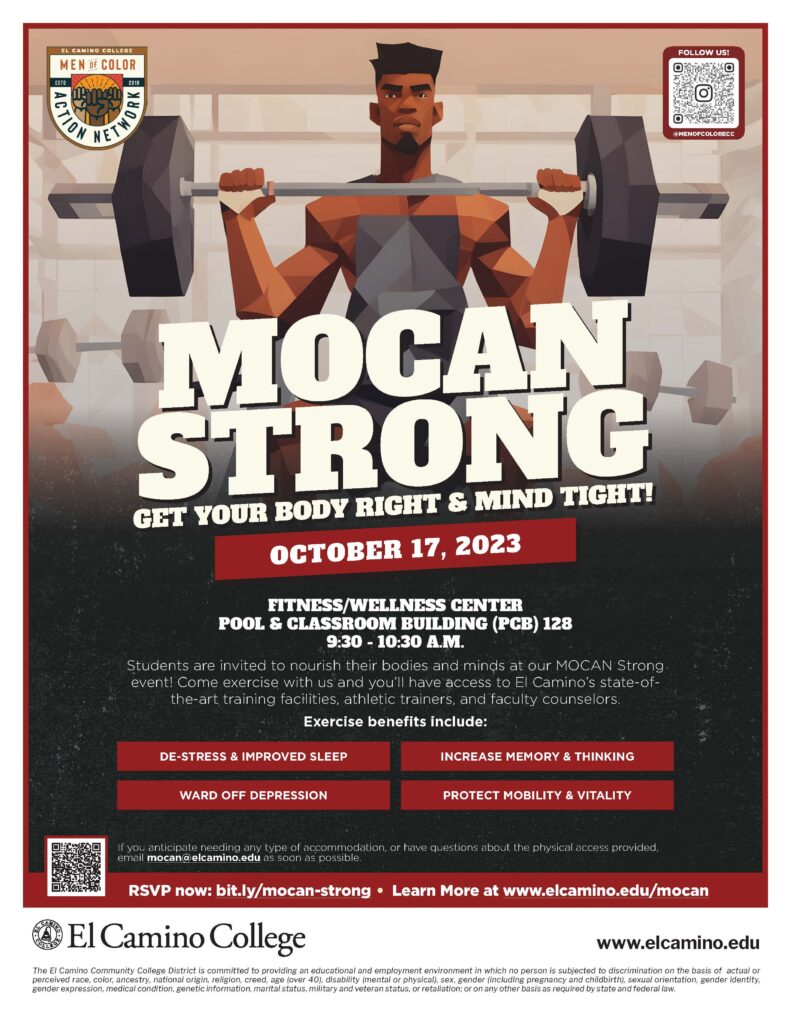
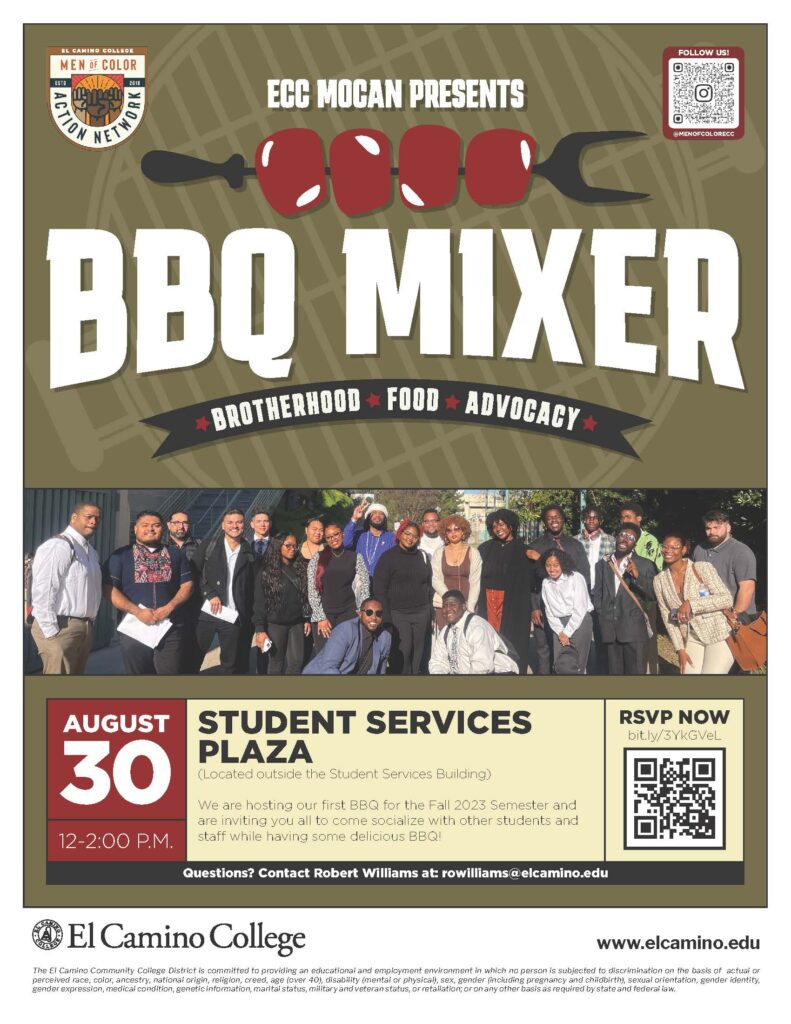
The BSS Pathway to Success is a SEA and Behavioral and Social Sciences collaborative effort, that also includes myPATH, MOCAN, Umoja-Project Success and the Black Student Success Center, with the goal of addressing existing African American/Black equity gaps in Behavioral and Social Sciences. This model identifies courses in BSS with high African American/Black student enrollment and will designate them as myPATH courses. In addition, mentorship will be provided to participating students through MOCAN and Umoja-Project success. Additional support will be provided by the Black Student Success Center and the SEA/Transfer Center Academy.
Affinity Centers and Programs
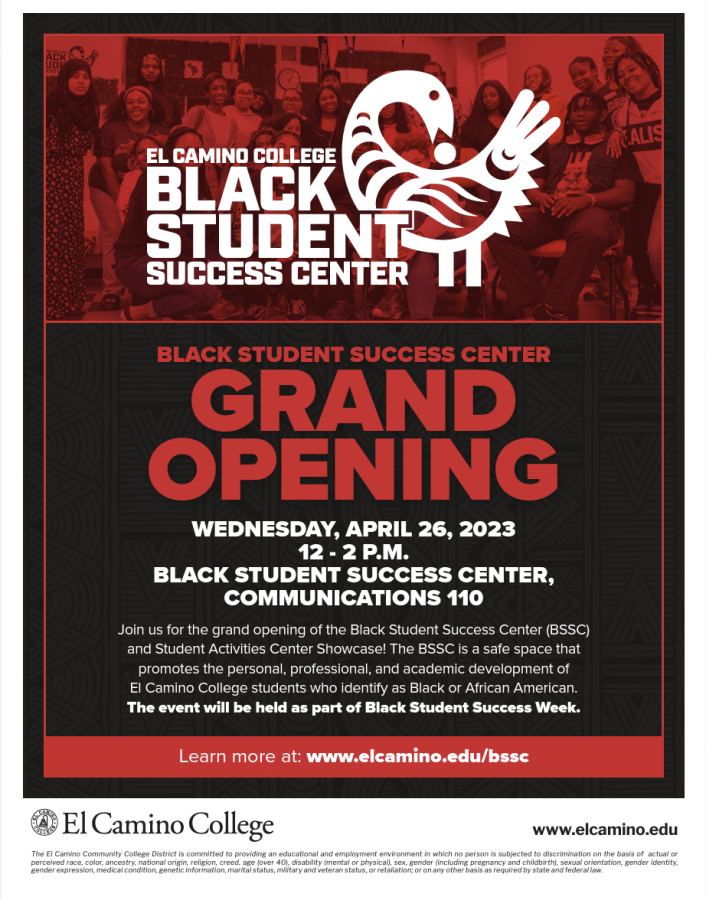
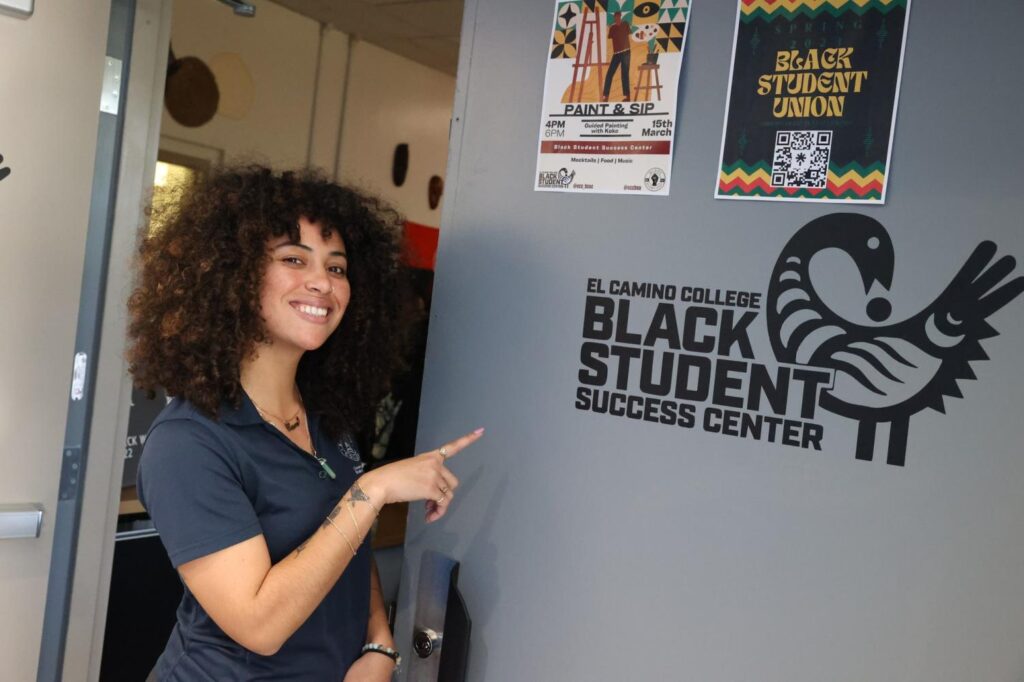
SEA has established multicultural centers that support identity-based affinity groups. These centers increase a sense of belonging for student, provide as safe space, and make accessible support systems and infrastructure for engage opportunities for historically marginalized students. The Black Student Success Center acknowledges the educational barriers within the African American community and commit to expanding sustainable resources, while creating a place of refuge for students to express themselves and succeed.

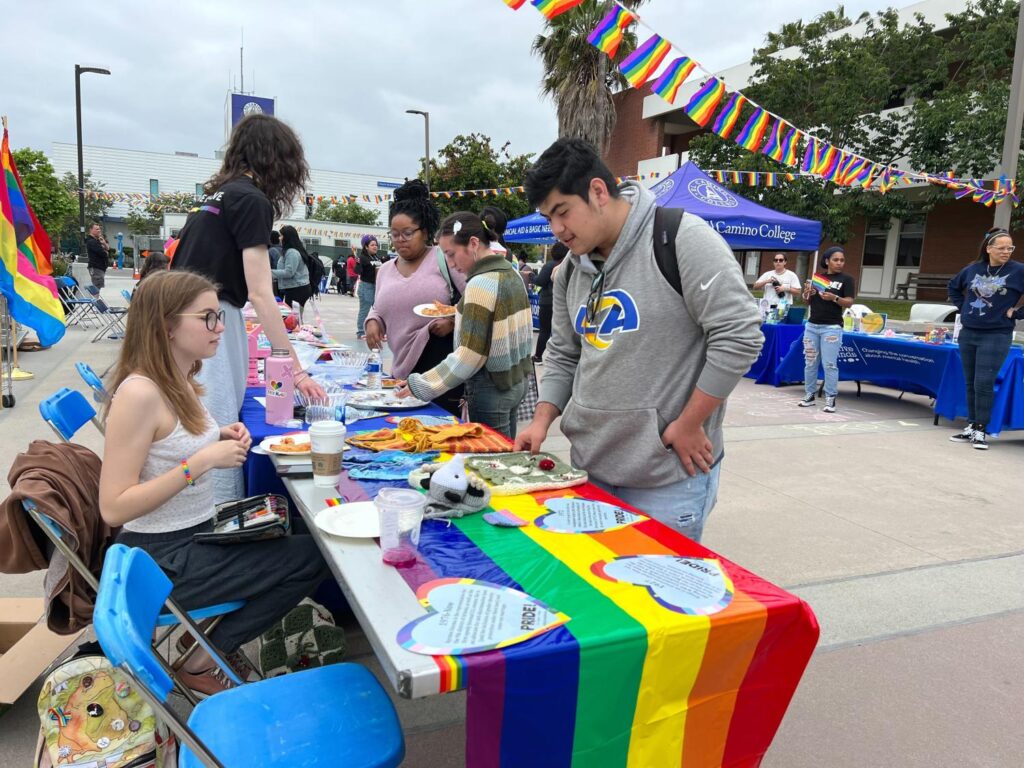
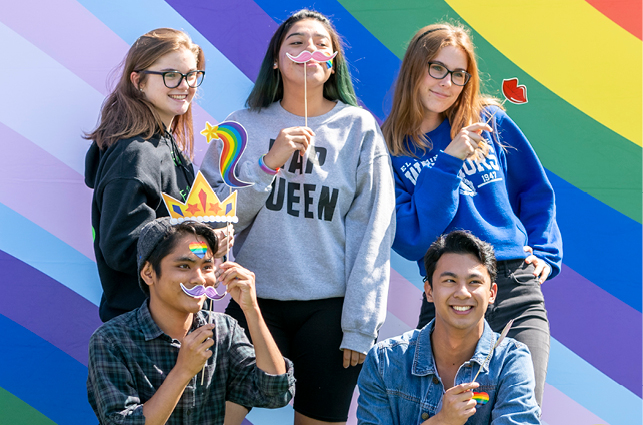
The SEA Center is a one-stop shop for students’ everyday educational needs. The center answers any questions students may have and connects them with counselors, advisors and peer support services. The LGBTQIA+ PRIDE Center supports the entire campus community and establishes a robust network of advocates and allies. By creating accessible resources that encompass physical, social, and emotional facets of sexual identity, El Camino College has created a space where LGBTQIA+ members and their allies can work together toward building community on and off campus.

The Social Justice Center serves as an inclusive space committed to social justice through education and collaboration. This space is designated for students who have been historically underrepresented and underserved, including but not limited to students who identify as Black, Indigenous, people of color, LGBTQIA+, disabled, undocumented, first generation, low income, system impacted and many more. MANA helps El Camino students of Native Hawaiian and Pacific Islander descent succeed in their academic journey while integrating their cultural identity into the process. At the core of MANA are the Native Hawaiian and Pacific Islander values of respect, integrity, commitment, and compassion.

MOCAN, the Men of Color Action Network, is an active support network, which advocates for California Community College Men of Color, while focusing on the systemic (academic, political, social) change needed to cultivate a learning environment that optimizes the success of male students of color. FIRST (Formerly Incarcerated Re-Entry Students Thriving Program), is designed to provide academic and basic needs support to formerly incarcerated and system-impacted students, while addressing systematic barriers they may face. All these centers will house Peer Assisted Study Session Mentors to provide students with support in three main areas: academic success, personal and professional development, and advocacy and support. PASS Mentors are peer mentors who support and encourage students at any stage of their academic career. PASS Mentors have received equity training and are reflective of populations historically marginalized in academics.
Historical Programs and Initiative Support
SEA supports a series of programs and initiatives that have historically addressed inequities at El Camino College. Umoja-Project Success is a program designed to increase the retention rate and to improve the academic performance of students who meet the Umoja-Project Success admission criteria. The mission of Umoja-Project Success is to aid the successful transition of students from high school to El Camino College and beyond in order to achieve educational and career goals. MESA aims to help underserved and underrepresented students achieve success in math- and science-based degrees. You can join a cohort of students on a similar path to you for support and motivation. This community of learners, with a very specialized focus, is what sets MESA apart from other student success programs. PUENTE helps educationally underserved students achieve the goal of going to a four-year college. Participating students become a part of a learning community that helps them explore and identify education goals. The First Year Experience Program (FYE) is designed to help students be successful in their first year of college life by providing a supportive, caring environment of educational and career services. The Guardian Scholars creates a welcoming and supportive environment for students who are in and or have been in Foster Care. Guardian Scholars promotes self-advocacy by establishing meaningful connections and a support network within the El Camino College community. Veterans Services Program offers a variety of support services and aids veterans in meeting their educational goals.
Student Equity and Achievement Initiatives/Programs
- Black Student Success Center
- FIRST (Formerly Incarcerated Re-Entry Students Thriving)
- LGBTQIA+/Pride Center
- MANA
- MOCAN (Men of Color Action Network)
- myPATH
- Peer Assisted Study Sessions
- SEA Center
- Social Justice Center